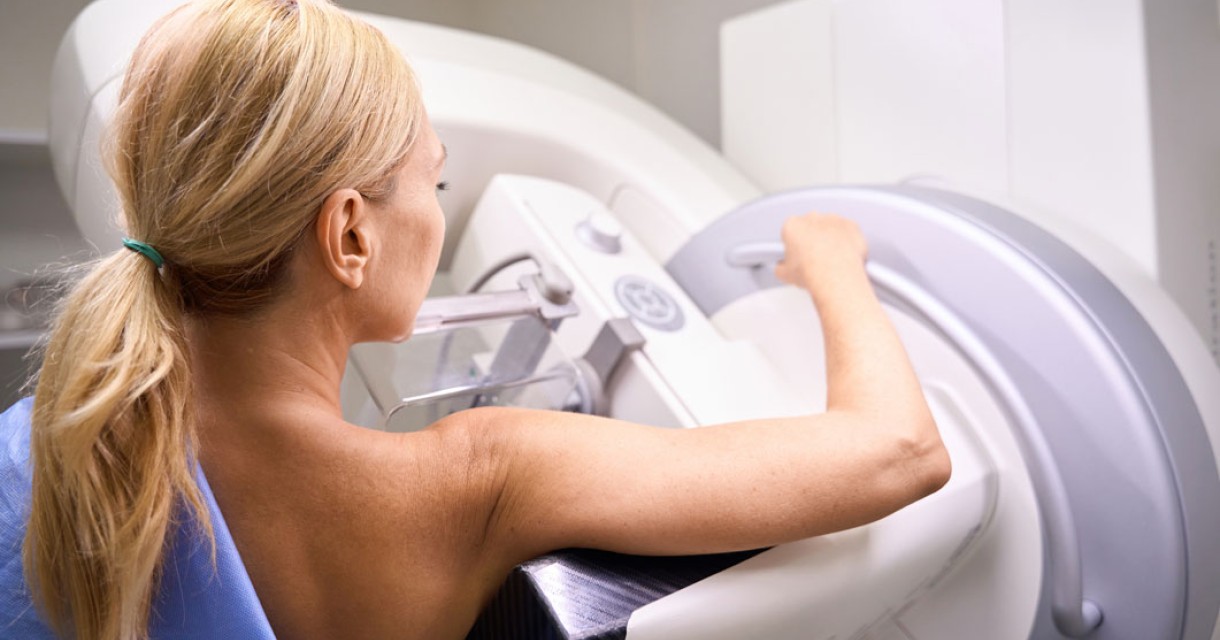
This Breast Cancer Awareness Month, we've been talking about breast density and why it matters for early detection. For many women, a standard mammogram is all they need. For women with dense breasts or a higher risk of breast cancer, advanced imaging can give a clearer picture.
At Bay Radiology, our specialist mammographers, sonographers and radiologists work closely with multidisciplinary breast care teams across New Zealand. Together, we make sure each woman gets the imaging that best suits her individual needs.
Where it starts: the mammogram
A mammogram is a low-dose x-ray of the breast. It can find changes too small to feel, and it remains the cornerstone of breast screening. However, dense breast tissue appears white on a mammogram, and so do cancers. That's where advanced imaging can help.
3D mammography (tomosynthesis)
Tomosynthesis takes multiple images of each breast and reconstructs them into a 3D image, which reduces the effect of overlapping tissue. It improves the detection of small cancers, particularly in dense breasts, and can find an additional 12–27 cancers per 10,000 screens compared with conventional mammography.
Breast MRI uses magnetic fields and radio waves, not x-rays, to create highly detailed images of breast tissue. It may be recommended as additional screening for women at high risk or with dense breasts, and to further assess a known cancer or an unclear finding.
Which option is right for you?
The right imaging depends on your breast density and your individual risk factors, such as family history, genetics and personal medical history. As a guide:
-
BI-RADS Category A and B: Mammogram or tomosynthesis.
-
BI-RADS Category C: Tomosynthesis. With additional risk factors, consider adding breast MRI or CEM.
-
BI-RADS Category D: Tomosynthesis, plus breast MRI or CEM.
For the full recommendations, read our article on breast density and early detection.
Taking the next step
Screening: when you have no symptoms
Regular screening is the best way to monitor changes in your breasts and detect cancer early, often before a lump can be felt.
Bay Radiology is proud to be part of BreastScreen Aotearoa, which offers free screening mammograms every two years for eligible women. If you're eligible, we highly recommend enrolling. Learn more about BreastScreen Aotearoa
If you're outside the programme's age range, or have dense breasts or other risk factors, you may benefit from private screening or advanced imaging. You can self-refer for a screening mammogram, or ask your GP about which option is right for you. Some health insurers also cover screening mammograms.
Diagnostic imaging: when something has changed
If you or your doctor are concerned about a change in your breast, your GP can refer you for diagnostic imaging. Depending on your age and symptoms, this may start with a mammogram or an ultrasound.
See your GP if you notice:
-
A lump or thickening
-
Skin dimpling or ulceration
-
Nipple discharge or a persistent nipple rash
-
Signs of infection, such as redness, warmth or swelling
-
Pain that's persistent, in one spot, or not linked to your cycle
Most breast changes aren't caused by cancer, but it's important to see your doctor promptly so the right tests can be arranged.
Your breast health, our priority
Whether it's routine screening, diagnostic imaging or advanced imaging for dense breasts, our specialist team is here to support you. Talk to your GP about a referral, or find a Bay Radiology clinic near you.